Probiotics are often hailed as essential allies for gut health, supporting digestion, immunity, and even mood—yet their true necessity remains nuanced. Are they a vital, lifelong supplement or simply a temporary aid during specific times of stress, illness, or dietary shifts? This exploration reveals that while probiotics can restore balance after antibiotics, alleviate bloating, and bolster immune defenses, their benefits are strain-specific and vary from person to person. For many, including fermented foods like yogurt and sauerkraut might suffice, making continuous supplementation unnecessary. Overuse or reliance on low-quality products can cause discomfort without meaningful gains. The key lies in understanding when and how to use probiotics strategically—during recovery, travel, or digestive distress—rather than habitually. Ultimately, they are supportive tools that, when integrated with healthy habits like balanced eating, exercise, and stress management, can genuinely enhance resilience. But are we overestimating their power, or are they truly indispensable for optimal health?

Discover the Power of Probiotics in Supporting Gut Health
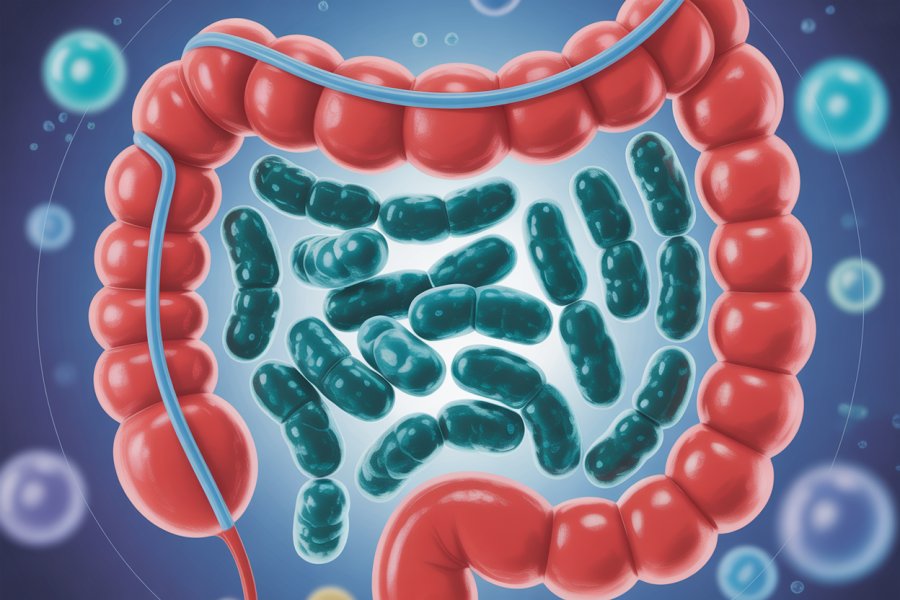
Probiotics are live microorganisms, often called “good bacteria,” that support your digestive system when you consume them in adequate amounts. These tiny allies naturally reside in your gut, helping to maintain a balanced community of bacteria that’s essential for overall health. When this balance is disrupted—by poor diet, stress, antibiotics, or illness—digestive issues like bloating, constipation, and even weakened immunity can occur. Supporting your microbiome with probiotics helps keep this internal environment resilient and functioning smoothly.
You can find probiotics in familiar foods like yogurt, kefir, sauerkraut, and kimchi, or take them as dietary supplements. While these beneficial microbes are generally safe and helpful, their effects aren’t the same for everyone. Different strains offer different benefits, and how well they work often depends on your individual health needs and existing gut bacteria. That’s why understanding the specific role of probiotics and their limitations is key to using them effectively.
A healthy gut microbiome isn’t just about digestion—it influences your immune response, skin health, and even mood. When your microbiome is in good shape, it helps your body absorb nutrients better, fight off pathogens, and regulate inflammation. Disruptions to this ecosystem, whether from antibiotics or a stressful lifestyle, can leave you more vulnerable to illness and discomfort. Supporting it through probiotic-rich foods or targeted supplements can help restore balance, especially during recovery from illness or antibiotics.
It’s worth noting that not all probiotics are created equal. The strains used in supplements and fermented foods vary widely, and their benefits are often strain-specific. Some are better at aiding digestion, while others might boost immunity or improve skin health. Because individual responses differ, choosing the right probiotic involves understanding your goals and possibly consulting a healthcare professional. This personalized approach makes a real difference in how effectively probiotics support your health.
While probiotics can be a helpful addition, they aren’t a magic fix. They work best when used thoughtfully, such as during times of stress, after antibiotics, or when your diet shifts towards processed foods. For many people with a balanced diet and no significant issues, eating fermented foods regularly might be enough to support a healthy microbiome. Recognizing when probiotics are necessary—and when they aren’t—helps prevent unnecessary supplement use and potential side effects like gas or bloating.
Maintaining a healthy gut isn’t just about adding probiotics. It’s about nurturing your microbiome through good habits—eating fiber-rich foods, exercising, managing stress, and getting enough sleep. Probiotics are tools that can complement these efforts, not replace them. When used wisely, they can enhance your resilience and overall well-being without overshadowing the importance of a balanced lifestyle.
Unlock the Surprising Benefits of Probiotics for Your Well-Being
Probiotics are renowned for their ability to support a healthy balance of bacteria in your gut, which is central to overall digestive well-being. When your microbiome is in harmony, you’re more likely to experience smooth digestion, fewer bloating episodes, and regular bowel movements. Numerous studies have shown that certain probiotic strains can help restore this balance after disruptions caused by illness, antibiotics, or stress, making them valuable allies during recovery.
Beyond aiding digestion, probiotics also play a crucial role in strengthening your immune defenses. A significant portion of your immune system resides in the gut, where beneficial bacteria help train immune cells and regulate responses to pathogens. Maintaining a diverse and balanced microbiome can make it easier for your body to fend off infections, and some research suggests that regular probiotic intake may even shorten the duration and severity of common illnesses like colds or the flu.
The benefits of probiotics extend beyond the digestive and immune systems. Emerging evidence links a healthy gut microbiome to improved skin health and mood. By reducing inflammation and supporting gut-brain communication, probiotics may help alleviate skin conditions such as acne and eczema, while also potentially easing anxiety and depression. Many people report feeling more energized and less stressed when their digestion is functioning optimally, highlighting the deep connection between gut health and overall resilience.
Not all probiotic strains are created equal, and their specific benefits vary. Some strains are particularly effective at supporting immune health, while others excel at easing digestion or improving skin conditions. Choosing the right probiotic depends on your individual health goals and needs. Incorporating fermented foods like yogurt, kefir, and sauerkraut into your diet can naturally provide a beneficial mix of microbes, often enough for those with no specific health concerns.
Probiotics serve as a supportive tool rather than a cure-all. When used thoughtfully—such as during times of stress, after illness, or when your diet shifts—they can enhance your body’s natural defenses. However, relying solely on supplements without addressing broader lifestyle factors like diet, exercise, and sleep limits their potential. Combining probiotics with healthy habits maximizes their impact and promotes genuine resilience.
While the benefits are promising, it’s important to recognize that probiotic effects are often strain-specific and may be mild or temporary for healthy individuals. They are most effective when targeted to particular needs, such as rebuilding gut flora after antibiotics or supporting digestion during stressful periods. For those already maintaining a balanced diet and lifestyle, additional supplementation may offer little extra benefit.
In summary, probiotics can significantly support your gut health and overall well-being when chosen and used appropriately. They work best as part of a holistic approach that includes good nutrition, regular activity, and stress management. By understanding which strains suit your needs and using probiotics strategically, you can harness their full potential without over-relying on them—making them a valuable, tailored addition to your health routine.

Understanding the Limitations and Considerations of Probiotic Use
Probiotics are not a one-size-fits-all solution, and their effects can vary dramatically depending on the strains used. Not every probiotic will deliver the benefits you’re hoping for, and what works for one person might be ineffective for another. Some strains are best suited for supporting digestion, while others focus on immune health or skin conditions. This strain-specific nature means that choosing the right probiotic requires a clear understanding of your personal goals, and sometimes a bit of trial and error.
For healthy individuals with a balanced diet, the added benefit of probiotics can be minimal. If you already consume plenty of fiber-rich foods and fermented products, supplements might not make much difference. In such cases, taking probiotics could lead to unnecessary bloating, gas, or discomfort without providing tangible benefits. Relying solely on supplements without addressing broader lifestyle habits can limit your overall health gains.
Product quality is another key factor. Not all probiotics are created equal, and some may contain bacteria that don’t survive until they reach your gut, especially if stored improperly or if the product isn’t well-made. Labels that don’t specify strains or CFU counts make it hard to gauge their effectiveness. Choosing reputable brands with transparent labeling ensures you’re more likely to get viable, beneficial bacteria.
Probiotics are also not a substitute for antibiotics. While antibiotics target harmful bacteria causing infections, they can wipe out beneficial microbes too, leading to digestive upset or overgrowth of harmful bacteria. Probiotics are often used after antibiotics to help restore balance, but they don’t treat infections themselves. Understanding this distinction helps set realistic expectations about their role in recovery.
Many people assume daily probiotic use is necessary, but short-term, targeted use often makes more sense. During or after illness, stressful periods, travel, or dietary shifts, probiotics can support your gut. However, for most healthy individuals, maintaining a diet rich in fermented foods may be enough, making daily supplementation unnecessary and potentially wasteful.
Using probiotics without considering your body’s responses can backfire. Some might experience mild side effects like bloating or gas initially, and overdoing it can cause more discomfort. Paying attention to how your body reacts allows you to adjust your use accordingly, ensuring you’re benefiting without causing unnecessary irritation.
Lastly, probiotics should complement a foundation of good habits—balanced eating, regular exercise, stress management, and adequate sleep. They aren’t a substitute for these essentials but a helpful addition. When used thoughtfully and strategically, probiotics can support your gut health without overshadowing the broader lifestyle choices that truly make a difference.
Practical Tips for Incorporating Probiotics into Your Daily Routine
Integrating probiotics into your daily routine doesn’t have to be complicated. A simple starting point is adding fermented foods like yogurt, kefir, sauerkraut, or kimchi to your meals. These natural sources of beneficial bacteria are easy to include and can support your gut health without the need for supplements. Making them a regular part of your diet offers a tasty, straightforward way to nourish your microbiome and maintain balance.
If you prefer taking supplements, focus on reputable brands that specify strains and CFU counts on their labels. For better survival through stomach acid, consider taking probiotics on an empty stomach—first thing in the morning or before bed. Consistency helps your body get used to the routine and maximizes the chances that more bacteria reach your gut alive and ready to work. Incorporating them into your daily schedule makes it easier to build a habit that supports your health.
Timing probiotic use depends on your individual situation. During or after illness, periods of stress, or when your diet shifts toward processed foods, a short course of targeted probiotics can help restore balance. Similarly, when traveling or experiencing digestive discomfort, strategic use can prevent issues or aid recovery. These moments highlight when probiotics are most effective and when they should be part of a focused effort rather than a constant daily routine.
Remember, many of the benefits associated with probiotics can be achieved simply by consuming fermented foods regularly. For most people with a balanced diet, supplementing with pills might be unnecessary. Prioritizing nutrient-rich, fiber-filled meals along with fermented options often provides enough beneficial bacteria to keep your gut healthy and resilient without additional supplementation.
Choosing high-quality probiotic products is key. Not all supplements contain bacteria that survive until they reach your gut, especially if stored improperly or if the product isn’t well-made. Look for labels that clearly list strains and CFU counts, and buy from trusted brands. This ensures you’re getting a viable product that will genuinely support your health, rather than spending money on ineffective options.
Probiotics aren’t meant to replace good habits like eating well, exercising, managing stress, and sleeping enough. They should complement these foundational practices. When used thoughtfully and strategically—during times of need or dietary shifts—they can enhance your gut resilience and overall well-being. Incorporating probiotics into a balanced lifestyle creates a more effective, sustainable approach to supporting your health.
Smart Strategies and Personalized Tips for Responsible Probiotic Consumption
Probiotics can be a helpful boost for your gut health, but they aren’t a one-size-fits-all solution. Their benefits are most noticeable when targeted to specific needs, such as rebuilding gut bacteria after antibiotics or supporting digestion during stressful times. For many people who already eat a balanced diet rich in fermented foods, supplements might not be necessary at all. Focusing on good nutrition and lifestyle habits often provides the strongest foundation for gut resilience.
Choosing the right probiotic involves understanding that different strains offer different benefits. Some are better for immune support, others for digestion or skin health. Reading labels carefully—paying attention to strains and CFU counts—ensures you select products that are effective and suited to your goals. Using probiotics strategically during times of illness, travel, or dietary change can maximize their impact without wasting resources on unnecessary daily supplementation.
Probiotics work best as part of a broader approach to health. Maintaining a diet high in fiber, exercising regularly, managing stress, and getting enough sleep all support your microbiome’s health. In this context, probiotics act as a complement, not a replacement, for these habits. When integrated thoughtfully, they can enhance your body’s natural defenses and recovery processes, especially during vulnerable periods.
It’s wise to set realistic expectations. Not everyone will notice immediate changes, and some might experience mild side effects initially. Paying attention to how your body responds allows you to adjust your use accordingly. Short-term, targeted use during specific situations—like after illness or during travel—often yields better results than continuous, undirected supplementation.
Remember that probiotics aren’t meant to replace good habits but to support them. A balanced diet, regular activity, stress management, and sufficient sleep create a resilient foundation. When probiotics are used thoughtfully within this context, they can provide a meaningful boost to your overall well-being without overshadowing the importance of maintaining a healthy lifestyle.
In summary, probiotics are a valuable, adaptable tool that can support your gut and immune health when used wisely. Their effectiveness depends on choosing appropriate strains, timing their use strategically, and integrating them into a holistic health routine. By doing so, you ensure that these tiny microbes serve as a real, beneficial addition rather than a quick fix or unnecessary expense. Prioritize personalization and moderation, and probiotics can genuinely enhance your journey toward better health.