Probiotics are often hailed as the champions of digestive health, supporting everything from regularity to immune resilience. But how much can we truly rely on these ‘good bacteria’ to deliver on their promises? While research confirms their effectiveness in reducing certain digestive issues and aiding microbiome recovery—especially after antibiotics—their broader benefits, like immunity boosting or disease prevention, remain less certain. Individual responses vary widely, and not all products on the market are equally tested or effective. As science advances, a future of personalized probiotics tailored to your unique gut profile seems promising, yet still on the horizon. Are probiotics the miracle solution or just one piece of a complex health puzzle? This ongoing debate underscores the importance of informed use, realistic expectations, and the need for continued research. Ultimately, probiotics can be a helpful tool—but they’re not a cure-all, and understanding their real limits is key to harnessing their benefits.
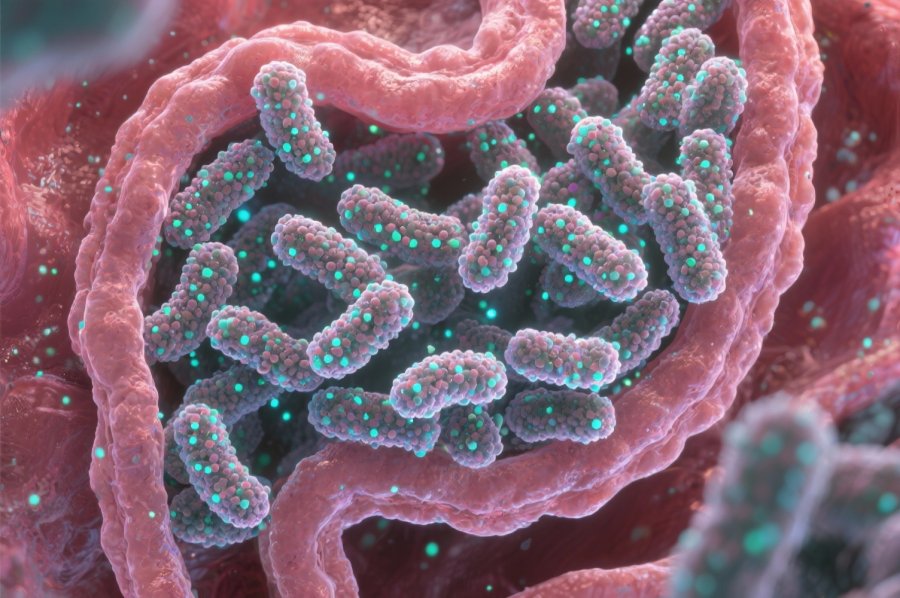
Unlocking Digestive Wellness: The Power of Probiotics in Your Daily Diet
Probiotics are live microorganisms, often referred to as “good bacteria,” that support our digestive system when incorporated into daily diets. They naturally reside in many fermented foods such as yogurt, kefir, sauerkraut, and kimchi, making it easy to include them through everyday meals. For those seeking a more concentrated dose, dietary supplements are also available, offering targeted strains and higher quantities. Both sources aim to restore and maintain a healthy balance of bacteria within the gut microbiome, which is crucial for effective digestion and nutrient absorption.
When our gut bacteria are balanced, digestion tends to be smoother, and common issues like bloating, irregularity, or discomfort are less frequent. Probiotics help by replenishing beneficial bacteria that can be depleted due to stress, illness, antibiotics, or poor dietary choices. This process supports overall gut health and prevents the overgrowth of harmful bacteria, fostering a more resilient digestive system. A diverse and balanced microbiome not only aids digestion but also influences immune function, mental well-being, and skin health.
Incorporating probiotics into your routine can lead to noticeable improvements in daily comfort. Many people find that probiotic-rich foods or supplements reduce bloating, promote regularity, and help recover from digestive upsets more quickly. Regular consumption helps sustain these benefits over time, especially during periods of increased stress or after illness when the gut microbiome may be compromised.
Understanding the importance of digestive health is essential, as it extends beyond just breaking down food. A healthy gut supports immune defenses, mental clarity, and overall vitality. Supporting this complex ecosystem with probiotics can be a simple yet effective step toward maintaining long-term wellness. It’s worth noting that probiotics are not a cure-all; their effectiveness depends on the strains used, the quality of the product, and individual factors like existing gut flora.
Getting started with probiotics doesn’t require complicated strategies. Including fermented foods a few times a week is a practical approach for most people. For targeted support, supplements can be beneficial, especially during times of stress, travel, or after a course of antibiotics. These moments often see the most significant impact from probiotic use, helping to restore and preserve gut health when it’s most vulnerable.
While probiotics are generally safe for healthy individuals, those with weakened immune systems or underlying health conditions should consult a healthcare provider before use. This caution is important since, in rare cases, probiotics can cause side effects like gas or bloating initially, which typically fade as the body adjusts. Recognizing these nuances ensures probiotics are used wisely and effectively as part of a balanced lifestyle.
Overall, probiotics play a vital role in supporting digestive health and microbiome balance. They serve as a practical tool for enhancing everyday comfort and resilience. When chosen wisely and used appropriately, they can be a reliable addition to a health-conscious routine, contributing to a happier, healthier gut and a more vibrant life.
Probiotics Unveiled: Benefits, Limitations, and Real-World Insights
Probiotics are widely celebrated for their ability to support digestive health, and a good amount of research backs up many of these claims. Certain strains have been shown to help reduce diarrhea, particularly when caused by infections or antibiotics. They can also promote more regular bowel movements and alleviate issues like bloating and constipation. Beyond digestion, some studies suggest probiotics may bolster immune function, offering broader health benefits.
However, these advantages are not universal. The effectiveness of probiotics varies depending on the specific strains used and individual differences in gut microbiomes. Not everyone responds the same way—what benefits one person might do little for another. Mild side effects, such as gas or bloating, can occur initially but usually subside as the body adjusts. People with weakened immune systems or serious health conditions should exercise caution and consult a healthcare professional before starting probiotics.
Probiotics are particularly helpful during recovery from gut disruptions, such as after illness or antibiotic treatment. They can help restore beneficial bacteria more quickly, reducing the risk of complications like antibiotic-associated diarrhea. This role in microbiome recovery is well-supported and makes probiotics a valuable tool during vulnerable periods. Still, they are not a substitute for medical treatments and should complement, not replace, standard care.
Despite their benefits, probiotics do have limitations. Their effects are highly strain-specific and depend on the individual’s unique gut environment. Some people see significant improvements, while others notice little or no change. The variability highlights that probiotics are not a one-size-fits-all solution. Also, some products on the market contain bacteria that haven’t been thoroughly tested, which can be confusing for consumers.
Side effects tend to be mild and transient but are worth noting. Gas, bloating, and minor digestive discomfort are common when first introducing probiotics. For most, these symptoms fade quickly, but they can be a deterrent for some. In rare cases, especially among immunocompromised individuals, probiotics could pose risks. Consulting a healthcare provider helps ensure safe use tailored to personal health needs.
Scientific evidence supports probiotics’ role in supporting gut health and microbiome balance, but claims beyond that—such as boosting immunity or preventing chronic diseases—remain less certain. Many of these broader benefits are based on early-stage research, so expectations should be realistic. Probiotics are best seen as part of a balanced lifestyle, not a miracle cure.
In summary, probiotics offer tangible benefits for digestion and gut microbiome restoration, especially during times of stress or after medication. Yet, they are not a guaranteed fix, and responses vary widely. Recognizing their limitations and using them thoughtfully helps maximize their potential without overestimating their capabilities. When integrated wisely into a healthy routine, probiotics can be a reliable support for overall digestive wellness.

Scientific Evidence and Everyday Impact of Probiotics: What the Research Shows
Scientific research on probiotics offers a mixed picture. Many studies confirm that certain strains can help reduce diarrhea, especially when linked to antibiotics or infections, making this one of the most well-supported benefits. Clinical trials show that specific probiotic strains can shorten the duration of infectious diarrhea in both children and adults, providing clear evidence of their effectiveness in targeted situations. However, when it comes to broader claims—such as boosting immunity or preventing chronic diseases—the evidence is less conclusive. Results often vary depending on the strains tested, doses used, and the populations involved, which complicates drawing definitive conclusions.
In everyday life, people’s experiences reflect this variability. Some notice significant improvements like less bloating or more regular bowel movements, while others see little to no change. This inconsistency highlights how individual differences in gut microbiomes and health conditions influence probiotic outcomes. Probiotics tend to work best when tailored to specific needs, but responses can still differ widely from person to person.
Research continues to explore how different strains function and under what circumstances they’re most effective. Many products on the market contain bacteria that haven’t been thoroughly tested, raising questions about quality and efficacy. Small-scale and short-term studies dominate the field, leaving gaps in understanding long-term safety and benefits. This ongoing uncertainty means consumers should approach probiotic claims with a healthy dose of skepticism.
Healthcare providers often recommend probiotics for particular groups—like children, travelers, or those on antibiotics—because they can support gut recovery and reduce certain digestive issues. Still, they emphasize that probiotics should complement medical treatment, not replace it. Realistic expectations are essential, especially given the current state of evidence, which supports benefits mainly in specific contexts rather than broad health claims.
While scientific evidence confirms probiotics’ role in supporting gut health and microbiome balance, claims about broader health benefits are still tentative. Their effects depend on the strains used, individual microbiomes, and proper usage. As a result, probiotics are best viewed as a supportive tool rather than a cure-all. Recognizing these nuances helps set appropriate expectations and encourages informed choices.
In summary, the evidence shows probiotics can be effective for certain digestive issues and microbiome recovery, particularly during vulnerable times like after illness or antibiotics. Yet, responses vary, and benefits aren’t guaranteed. Ongoing research aims to clarify which strains work best and in what situations, but for now, probiotics should be integrated thoughtfully into a balanced lifestyle. Using them with realistic expectations ensures they remain a helpful addition rather than an overhyped solution.
From Personal Stories to Practical Tips: How Probiotics Fit Into Real Life
Many people start using probiotics after hearing about their potential benefits, and real-world experiences often highlight how they can make a noticeable difference. For instance, many find that incorporating probiotic-rich foods like yogurt or kefir helps reduce bloating and gas within just a few days. These changes not only improve daily comfort but also boost confidence in their digestive health. Others notice more regular bowel movements and a quicker recovery from digestive upset, especially during stressful periods or after illness.
Choosing the right probiotic can involve a bit of trial and error. People often experiment with different strains or brands to see which ones resonate best with their bodies. Some discover that a probiotic targeting bloating works better than one aimed at immune support, demonstrating how personalized the effects can be. Engaging with online reviews, community groups, or consulting a healthcare professional can help guide these choices and set realistic expectations.
Consistency is key to experiencing the full benefits of probiotics. Regular intake—whether through daily capsules, fermented foods, or drinks—helps maintain a stable and healthy gut environment. Many find that establishing a routine, like adding a probiotic yogurt to breakfast or taking supplements at the same time each day, makes it easier to stick with their plan. Over time, this consistency builds a foundation for ongoing digestive comfort and resilience.
Pairing probiotics with prebiotic foods, such as fruits, vegetables, and whole grains, can amplify their effectiveness. These fibers serve as fuel for beneficial bacteria, encouraging their growth and activity. Incorporating a variety of these foods into meals not only supports probiotic action but also contributes to overall health, creating a synergy that boosts digestion and wellbeing. Small dietary changes like these can lead to more noticeable and lasting improvements.
Personal stories highlight that probiotics often work best when tailored to individual needs. Some users find they experience significant relief from bloating or irregularity after a few weeks, while others see minimal change. Listening to your body’s responses and adjusting your intake accordingly can optimize results. For many, probiotics become a helpful part of their lifestyle—whether as a daily routine or a temporary support during stressful times or after medication.
While scientific insights guide best practices, integrating probiotics into daily life involves some experimentation and attentiveness. Sharing experiences and learning from others can make the journey smoother and set realistic expectations. When used thoughtfully as part of a balanced diet and lifestyle, probiotics can support digestive health and overall comfort, making everyday life a little easier and more comfortable.

The Future of Probiotics: Innovations, Personalization, and New Horizons in Gut Health
The future of probiotics is shaping up to be much more personalized and scientifically precise than what we see today. Advances in microbiome research are revealing how each individual’s unique gut profile influences their response to different bacterial strains. This growing understanding could lead to tailored probiotic treatments designed specifically for a person’s microbiome, making their benefits more consistent and effective. Instead of relying on generic formulations, we might soon see customized probiotics based on genetics, diet, and health history that target specific needs with greater accuracy.
Innovations in biotechnology are also opening new doors for delivering probiotics more efficiently. Researchers are developing techniques to protect beneficial bacteria as they pass through the stomach’s acidic environment, ensuring more live microorganisms reach the intestines where they do their best work. Encapsulation methods and advanced food carriers are already being tested to enhance the potency, stability, and shelf life of probiotic products, making them more practical for everyday use. These technological improvements could make probiotic consumption more convenient and reliable, encouraging consistent usage.
Interest is expanding beyond gut health. Emerging studies are exploring how probiotics might support mental health, metabolic balance, and immune regulation. While these applications are still in experimental stages, they hint at a future where probiotics are part of a holistic approach to wellness—supporting not just digestion but overall vitality. These broader roles could appeal to those seeking integrated health strategies that address mind and body simultaneously, transforming probiotics into versatile tools for comprehensive well-being.
Research is also focusing on how lifestyle factors like diet, stress, and sleep interact with the microbiome. Future probiotic strategies will likely integrate these elements, creating personalized plans that optimize gut health through both bacterial strains and lifestyle modifications. Combining probiotics with prebiotic foods or tailored dietary patterns could amplify their effects, making gut health more proactive and sustainable. This holistic approach emphasizes ongoing maintenance rather than short-term fixes, aligning with broader trends in health and wellness.
Despite the promising outlook, many claims about probiotics are still preliminary. Larger, long-term studies are needed to confirm their safety and true efficacy, especially for vulnerable groups like the immunocompromised. As science clarifies which strains work best for specific conditions, product development will become more precise, reducing the current trial-and-error approach. The goal is to create formulations that are both effective and reliable, ensuring consumers get real benefits without unnecessary hype.
Finally, innovations in product stability and delivery will continue to improve. Researchers are exploring shelf-stable, easy-to-consume formats that maintain bacterial viability over time. These advances could make probiotics more accessible and user-friendly, encouraging regular use and better health outcomes. As science and technology evolve hand in hand, probiotics are poised to become an integral part of personalized medicine and everyday wellness routines, moving from niche supplements to essential tools for long-term health.