In a world where threats evolve rapidly, traditional home security methods no longer suffice. Modern families now turn to integrated, remote-controlled solutions that offer real-time surveillance, automated alerts, and smart access management. But can these advanced systems truly safeguard against unpredictable dangers like environmental hazards or intruders? This comprehensive guide explores how cutting-edge technology—from AI-powered cameras to biometric locks—creates a layered defense that anticipates and responds proactively. It emphasizes the importance of regular maintenance, cybersecurity measures, and professional monitoring to ensure reliability. As security systems become smarter, questions arise about balancing innovation with vulnerability: can homes stay resilient amid the growing digital landscape? With ongoing advancements promising increasingly intuitive safety environments, families are invited to consider whether they are fully harnessing these innovations to protect their loved ones effectively, or if there’s more they can do to stay ahead of modern threats.
Transforming Home Security: From Locks to Intelligent Safety Networks
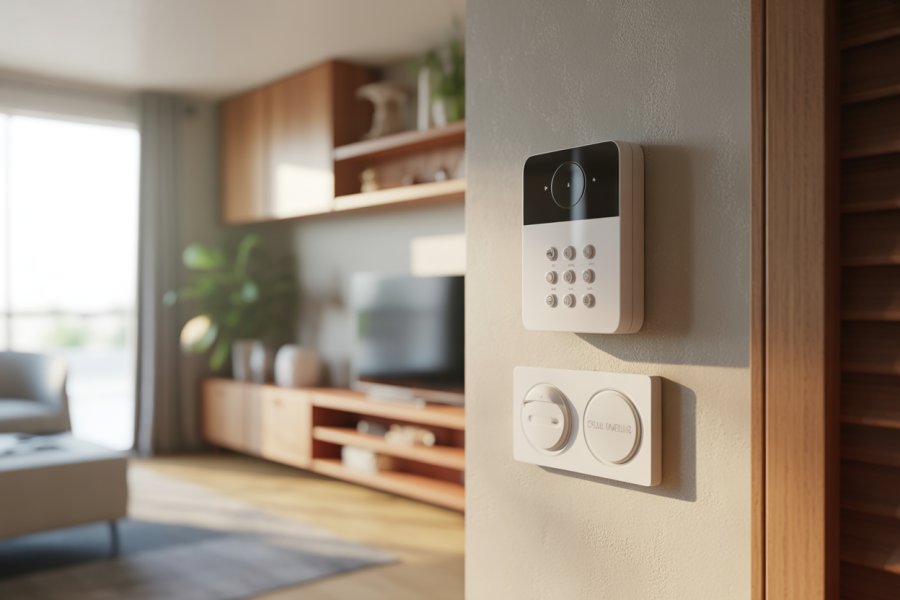
Home security has transformed significantly from the days of simple locks and deadbolts. Today’s homes are protected by a suite of advanced technologies that do more than just prevent break-ins—they create a connected, intelligent safety network. This evolution is driven by the increasing complexity of threats and the need for swift, smarter responses. Modern systems integrate cameras, alarms, and access controls into unified platforms that can be managed remotely via smartphones or computers, turning safety from a static barrier into an active, real-time defense.
Traditional locks and basic alarms served their purpose in the past, but they often fall short in today’s fast-paced environment. Intruders have become more resourceful, and emergencies can occur unexpectedly. That’s why many households are turning to smart security solutions that offer remote monitoring, instant alerts, and automated responses. With these tools, families gain greater control, allowing them to verify situations immediately and react swiftly—whether they’re at work, traveling, or simply away for the day.
What drives this shift is a desire for peace of mind and proactive safety. Integrated systems combine multiple components—like cameras, alarms, and smart locks—into a single, accessible platform. This layered approach not only deters potential threats but also provides real-time information that empowers families to see what’s happening at home and respond accordingly. Checking live footage or remotely locking doors becomes seamless, making safety easier and less stressful to manage.
As technology advances, so do the capabilities of these systems. They’re designed to be adaptable, learning household routines and detecting anomalies that could signal danger. From environmental hazards like smoke or gas leaks to suspicious activity, modern security solutions can identify early signs of trouble and alert homeowners instantly. This proactive detection helps prevent incidents before they escalate, offering a level of security that’s smarter and more responsive than ever.
These changes also reflect a broader view of safety as a dynamic, real-time process. Homes are now seen as active environments that respond to threats automatically, thanks to the integration of surveillance, alarms, and access controls. This interconnected security network can adapt to different household needs and risks, providing not just deterrence but immediate action when necessary. It’s a shift toward safer, more resilient living spaces that support families in an unpredictable world.
With ongoing innovations, the potential for smarter, more intuitive home security systems continues to grow. Advances in AI, faster connectivity, and biometric recognition promise to make safety even more seamless and effective. The goal is to create homes that anticipate and prevent threats, offering peace of mind without constant manual oversight. As this evolution unfolds, families can look forward to living in environments that are not only protected but also more adaptive and responsive to the challenges of modern life.
Building Blocks of Modern Home Defense: Cameras, Alarms, and Smart Access
Modern home security systems are built around several key elements that work together to form a comprehensive safety network. Surveillance cameras are perhaps the most visible component, providing high-definition footage accessible remotely via smartphones or computers. These cameras serve a dual purpose: they act as deterrents by their presence and offer real-time visuals if something suspicious occurs. Features like night vision and motion detection enhance their effectiveness, ensuring homeowners stay informed regardless of the time of day.
Alarm systems are another core element, consisting of sensors on doors and windows, motion detectors, and glassbreak sensors. When triggered, these systems can sound loud alarms to scare off intruders and send instant alerts to your phone or a professional monitoring center. Customizable to fit specific household layouts, alarms provide a vital layer of protection, especially when connected to 24/7 monitoring services, enabling quick responses from trained professionals.
Smart access control systems have revolutionized entry management. Instead of traditional keys, homeowners now use keyless locks operated via smartphone apps, biometric scans, or key fobs. These systems allow you to grant temporary access to visitors or service providers while keeping detailed logs of entries and exits. They integrate seamlessly with other smart home devices, enabling routines like automatic unlocking when you arrive or turning on outdoor lights, blending convenience with security.
Home automation plays a crucial role by connecting all these components into a unified platform. When integrated, cameras, alarms, and access controls communicate and respond automatically. For example, unlocking the front door could trigger outdoor lighting or activate cameras to record activity, creating a responsive environment that reacts instantly to potential threats. This interconnected setup minimizes human error and enhances overall safety.
Traditional locks still have a place, but today’s security systems enhance these defenses with digital solutions like smart locks. Controlled remotely or with temporary codes, smart locks allow flexible access management and eliminate the risks associated with lost keys or unauthorized duplication. They are a smarter, more secure alternative that adapts easily to modern household needs.
All these components are designed to work as a layered defense, deterring threats and providing real-time information. Cameras record and scare off intruders, alarms alert you and authorities, and access controls regulate who can enter. When managed through a centralized platform, they offer a clear overview and quick response capabilities, creating a robust security environment.
Readers may find more insight in Revolutionizing Home Security with Smart Connected Solutions, an article by Iri King on Shirelles….
This combination of surveillance, alarms, access control, and automation creates an adaptable, proactive safety system. It not only prevents break-ins but also responds swiftly if an incident occurs. By integrating these elements effectively, homeowners gain a reliable, flexible security solution that fits their lifestyle and household risks, marking a significant upgrade from traditional methods.
Protect Your Markham Property with F.I.S.T Security’s Expert Solutions
For residents and businesses in Markham, Ontario, F.I.S.T Security is your trusted partner in security. As a Canadian owned and operated business, FIST Security takes pride in the reputation we’ve built by going the extra mile to meet your security needs. Our comprehensive services include intruder detection, card access systems, closed circuit television (CCTV), intercoms, alarm monitoring, remote video monitoring, lighting, and environmental control. When it comes to alarm system installation and maintenance, we prioritize safety, reliability, and customer satisfaction. Whether you’re securing a commercial or residential property, our team is committed to providing tailored solutions that surpass expectations. Contact us today at 416.755.4233 or email [email protected] to learn more about how we can safeguard your Markham property.
Adapting to Unpredictable Threats: How Smart Technology Shields Your Household
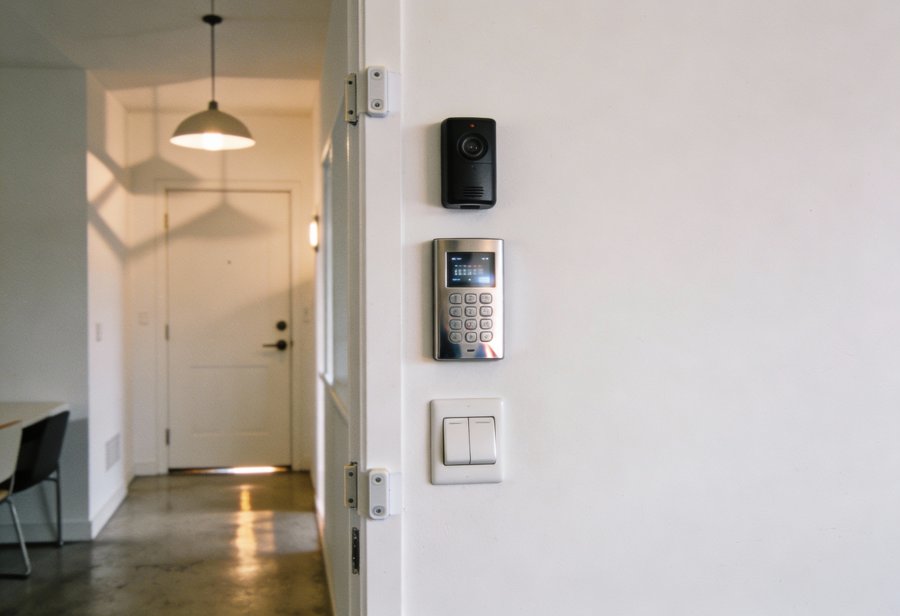
Modern security solutions excel at managing the unpredictable nature of household threats by leveraging advanced technologies like artificial intelligence, smart sensors, and automation. These tools enable systems to analyze behavior patterns and detect unusual activity before situations escalate, offering a proactive layer of protection. For example, AI-powered cameras can distinguish between normal household movements and potential threats, alerting homeowners or authorities early enough to prevent incidents.
Smart sensors play a vital role in identifying environmental hazards such as smoke, gas leaks, or flooding, sending immediate alerts whether residents are home or away. This early warning capability allows families to respond swiftly, minimizing damage and danger. The integration of these sensors with security platforms creates a seamless network that reacts instantly to a variety of unforeseen dangers, reducing response times and increasing safety.
This perspective is expanded in Kie Russell‘s article Revolutionizing Home Security with Smart Remote Control Systems on The North Shore.
These features are particularly effective in real-life scenarios. Parents monitoring children playing outside can receive real-time updates, while travelers can verify activity at their properties remotely. Multi-generational households benefit from flexible access management via smart locks, and environmental sensors help protect against hazards like water leaks or fires. Such adaptability makes modern security systems resilient against the unpredictable challenges households face daily.
Recent innovations further enhance this responsiveness. AI-driven surveillance reduces false alarms by accurately analyzing live feeds, while smarter sensors become more sensitive and reliable. When these devices communicate within an integrated system, threats like gas leaks or break-ins trigger automatic responses—unlocking windows, shutting off utilities, or notifying emergency services—without manual intervention. This interconnected setup ensures immediate action, often before residents even realize something is wrong.
These technologies are especially valuable in high-uncertainty situations. For busy families, remote monitoring offers peace of mind, allowing instant verification of safety. For homes prone to environmental risks, sensors provide early detection, giving residents crucial extra minutes to respond. The ability to adapt routines and permissions dynamically through smart locks and automation further fortifies household defenses against unforeseen events.
However, reliance solely on remote and automated solutions isn’t foolproof. Technical issues such as internet outages or device malfunctions can temporarily disable systems. Cybersecurity vulnerabilities pose risks if systems aren’t properly protected. False alarms from improperly calibrated sensors can cause unnecessary panic. Combining smart technology with physical safeguards and human vigilance creates a layered defense that covers potential gaps, ensuring comprehensive household safety.
Ultimately, modern security solutions are designed to be dynamic and adaptable, addressing the unpredictable nature of household threats with precision and speed. They empower families to respond proactively—often before danger fully unfolds—making homes safer and more resilient in an uncertain world.
Expert Insights: Crafting and Maintaining a Robust Home Security System
Security professionals stress that the foundation of an effective home security system is understanding your household’s unique vulnerabilities. Conducting a thorough assessment of your property helps identify weak points—such as overlooked entry points or blind spots—that need targeted protection. Tailoring your setup with the right mix of cameras, sensors, and alarms creates a layered defense that makes it much harder for intruders to find an opening. Designing a customized plan with expert input ensures your system aligns with your lifestyle and budget, avoiding the pitfalls of generic solutions that may fall short.
Maintaining your security system is just as vital as installing it. Regular testing of sensors, updating firmware, and replacing outdated equipment keeps everything functioning reliably. Small issues like dead batteries or outdated software can cause false alarms or system failures, eroding trust in your setup. Staying proactive about upkeep not only ensures your devices remain dependable but also helps prevent cybersecurity vulnerabilities, as software updates often include critical security patches. A well-maintained system is your best bet for consistent protection.
This idea is explored more fully in Fred Morgan‘s article Revolutionizing Home Security with Smarter Remote Solutions at The Rubber Room.
Cybersecurity is a key part of modern home security. Experts recommend using strong, unique passwords for all connected devices and enabling two-factor authentication whenever possible. Choosing reputable brands and providers also reduces the risk of hacking. Many systems now feature encrypted communication channels that add an extra layer of security against unauthorized access. Staying informed about evolving cybersecurity threats and following best practices keeps your personal data safe and your system resilient against malicious exploits.
Partnering with a professional monitoring service can significantly enhance your home’s safety. Trained personnel can evaluate alerts quickly, verify genuine threats, and coordinate emergency responses when needed. Professionals advise selecting a provider with a proven track record of rapid, reliable response. Their oversight ensures suspicious activity doesn’t go unnoticed and that authorities are notified swiftly, often faster than homeowners could manage on their own. This professional support transforms a good security system into a truly proactive safeguard.
Staying updated on the latest security technology helps you make smarter decisions and adapt your setup as threats evolve. Industry experts suggest attending workshops, reading trusted sources, or consulting security professionals periodically. Being aware of innovations like AI-driven surveillance, biometric locks, and automation integrations allows you to upgrade your system proactively. Regular reviews and improvements help maintain a high level of protection, ensuring your home remains resilient against emerging risks.
A proactive attitude remains essential. Regularly reviewing system logs, practicing emergency drills, and managing access permissions keep your defenses sharp. Security isn’t a set-it-and-forget-it task; it requires ongoing human oversight. Combining well-maintained hardware, cybersecurity awareness, and professional support creates a layered, effective protection environment. This approach not only deters threats but also prepares you to respond swiftly if incidents occur.
Never underestimate the importance of human vigilance alongside technology. The most sophisticated systems can be compromised if not properly managed. Staying engaged, informed, and prepared allows you to identify potential issues early and address them before they escalate. A security mindset that combines technology with awareness and quick action ensures your home remains safe in today’s unpredictable landscape.
Future of Home Security: Innovative Technologies and Smarter Safety Solutions
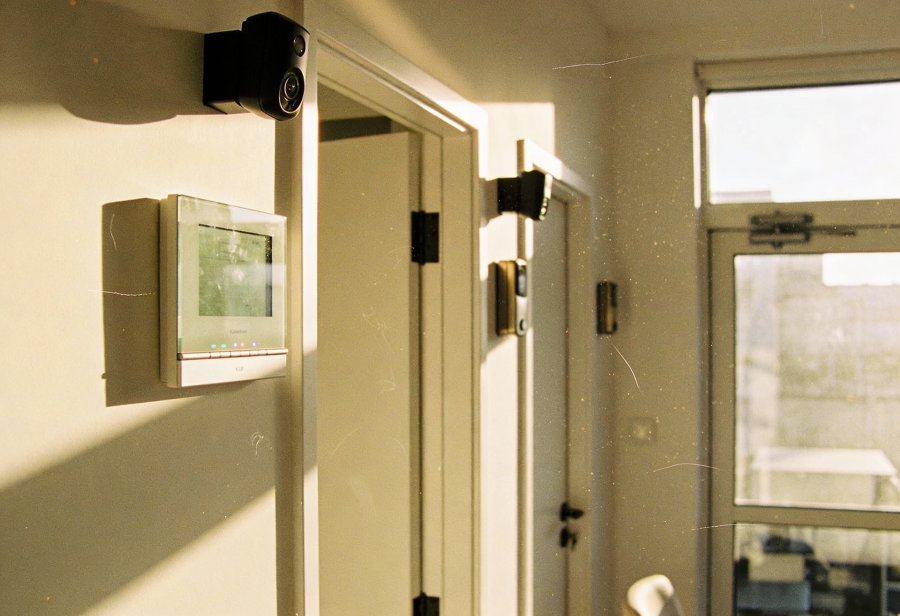
As home security technology continues to evolve, the possibilities for smarter, more integrated systems grow ever more promising. Advances in artificial intelligence and machine learning will enable security platforms to learn household routines, detect anomalies with greater precision, and respond proactively before threats fully materialize. Faster connectivity through 5G will facilitate real-time alerts and seamless device communication, making responses almost instantaneous. Biometric authentication methods, such as facial recognition and voice commands, will further streamline access while enhancing security, blending convenience with protection.
These innovations highlight the importance of maintaining a layered security approach. Relying solely on remote control or automation without physical safeguards or human oversight leaves vulnerabilities. Cybersecurity remains a critical concern; as homes become more connected, the risk of hacking and data breaches increases. Protecting personal information and ensuring system integrity requires robust security measures, regular updates, and vigilant management. Combining cutting-edge technology with physical security and professional monitoring creates a resilient safety net that adapts to the challenges of a digital world.
Looking ahead, homes equipped with integrated, intelligent systems will respond more intuitively to household needs. Imagine a setup that learns your daily routines, detects irregular activity, and automatically takes action—locking doors, adjusting lighting, or alerting authorities—without manual intervention. Such seamless automation promises to reduce human error and elevate overall safety, transforming homes into proactive environments that anticipate and prevent threats before they escalate.
However, these advancements also demand ongoing vigilance. Regular system updates, periodic reviews, and staying informed about new features become essential to keep defenses strong. Security needs to be viewed as a continuous process rather than a one-time setup. By adopting a proactive mindset and leveraging both technology and human oversight, families can ensure their security systems remain effective against emerging risks.
Balancing innovation with caution is key. As new tools and features are introduced, understanding their limitations and potential vulnerabilities helps prevent complacency. Physical safeguards, cybersecurity best practices, and professional support must work hand-in-hand with technological upgrades. This comprehensive approach ensures that safety measures are not only advanced but also reliable and resilient against the unpredictable nature of modern threats.
In embracing these future developments, families can look forward to homes that are not only smarter but also more responsive and adaptable. By integrating technology thoughtfully and maintaining an active role in security practices, they can enjoy greater peace of mind. The goal is to create living environments where safety is built into the very fabric of daily life—dynamic, intelligent, and prepared for whatever challenges lie ahead.